
Latest US Study Updates: 5 key policy changes for 2026.
The landscape for international education is constantly evolving, making it crucial for prospective students to track the Latest US Study Updates. The year 2026 brings 5 significant changes impacting visa duration, employment pathways, and financial requirements for students wishing to pursue higher education in the United States. These policy shifts are designed to streamline the experience while enhancing security protocols. Staying informed about the Latest US Study Updates is not optional; it is a fundamental requirement for maintaining F-1 visa compliance and maximizing career opportunities post-graduation. This analysis provides a deep dive into the most critical adjustments affecting international students.
Table of Contents
1. Visa and SEVIS Changes: Crucial Latest US Study Updates
The foundation of every international student’s experience is the F-1 visa. Recent regulatory efforts from the Department of Homeland Security (DHS) have focused on clarifying and tightening compliance requirements, ensuring that students remain focused on their academic pursuits. These visa and SEVIS adjustments are critical parts of the Latest US Study Updates.
Key Change 1: Fixed Duration of Status (F-D/S) Clarification
While most students still receive “Duration of Status” (D/S), which lasts for the duration of their academic program plus an authorized grace period, USCIS has emphasized stricter scrutiny on students who switch schools or programs frequently. The new guidance reinforces that students must maintain continuous enrollment and satisfactory academic progress (SAP). Failure to do so could result in SEVIS termination and jeopardize their ability to stay and study in the United States. Maintaining an active and accurate SEVIS record is the student’s primary responsibility.
Key Change 2: Enhanced SEVIS Reporting Compliance
Universities (Designated School Officials, or DSOs) are now required to submit more frequent and detailed reports regarding student engagement, especially concerning online and hybrid classes. This policy aims to ensure F-1 visa holders are physically present and actively participating in their course of study. Students should be proactive in communicating any changes in address, course load, or travel plans immediately to their DSO to avoid compliance errors. This change highlights the increased focus on oversight within the Latest US Study Updates** framework.
For official information regarding F-1 visa requirements and SEVIS regulations, students are strongly advised to consult the official website of the Student and Exchange Visitor Program (SEVP). This is an authoritative source for the Latest US Study Updates and compliance directives.
2. Post-Graduation Employment: The Latest US Study Updates on OPT
Optional Practical Training (OPT) remains a vital component of Studying Medicine in America, allowing graduates to gain hands-on experience in the US. However, both the standard OPT and the STEM OPT extension have seen notable adjustments.
Key Change 3: Clarification of ‘Directly Related’ Employment for OPT
USCIS is now providing clearer, though stricter, definitions regarding what constitutes employment “directly related” to the student’s degree field. Job descriptions must precisely align with the skills acquired during the degree program, eliminating vague or tangential roles. This scrutiny is particularly heavy for students utilizing the 24-month STEM OPT extension. Students should work closely with their university’s Career Services office to document their roles meticulously, using their course titles and major requirements as evidence. This clarification is one of the most career-critical Latest US Study Updates.
The H-1B Lottery and its Impact
While not directly related to the F-1 visa, the H-1B visa lottery—the primary pathway for post-OPT employment—has undergone significant changes, shifting from reliance on volume to prioritizing experience. The new system attempts to give applicants with advanced degrees from U.S. institutions a marginally higher chance of selection, recognizing the value of those who completed a full course of Studying Medicine or other STEM-related fields. This trend underscores a strategic U.S. priority to retain highly skilled international talent post-graduation.
Successful career planning now requires students to actively integrate internships and Curricular Practical Training (CPT) during their academic program, making the transition to OPT and eventually to an H-1B application smoother.
3. Financial Planning and Cost of Education: Latest US Study Updates
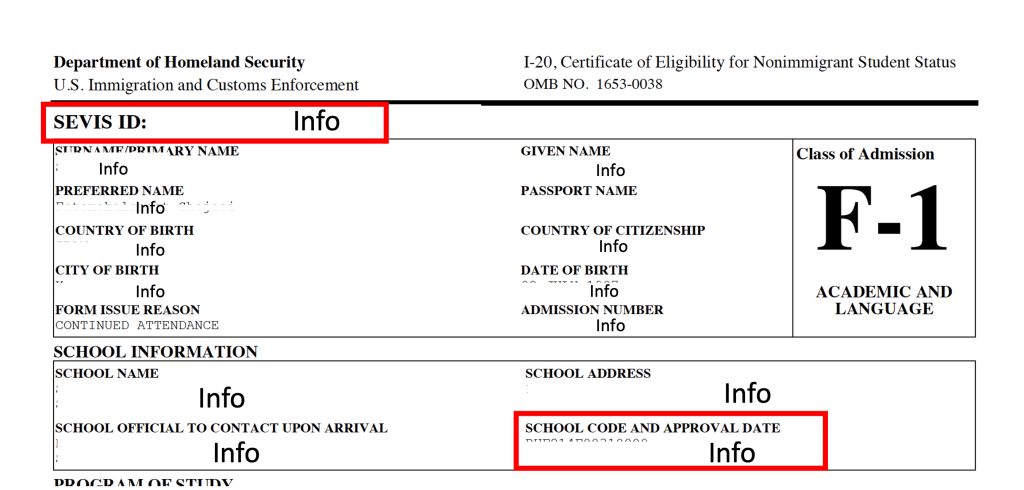
The cost of tuition continues its upward trajectory, but the most pressing change is the adjustment to the minimum financial documentation required for the I-20 form.
Key Change 4: Increased Minimum Financial Proof
Universities are adjusting their estimated living and tuition costs on the I-20 form upward to reflect inflation and rising costs of accommodation, especially in major metro areas. Prospective students must now show proof of funds that are often 10-15% higher than figures from the previous year, ensuring they can cover their entire first year without relying on immediate employment. This is a critical factor when assessing the financial viability of Studying Medicine in America or any other field.
Estimated Annual Cost Adjustments (2025 vs. 2026)
| Expense Item | 2025 Average Estimate | 2026 Average Estimate |
|---|---|---|
| Tuition (Public University) | $30,000 | $32,500 |
| Living Expenses (Major City) | $18,000 | $20,000 |
| Required I-20 Total | ~$48,000 | ~$52,500 |
4. Academic and Admissions Shifts: Latest US Study Updates for Entry
Admissions committees are also adapting, creating new expectations for incoming students.
Key Change 5: Permanent Test-Optional Status at Many Institutions
A growing number of highly ranked U.S. institutions have made the temporary test-optional admissions policy (for SAT/ACT) permanent. While this reduces the reliance on standardized tests, it places far greater emphasis on factors such as high school GPA, rigor of coursework, and extracurricular achievement. For international students, this means strengthening components like the personal essay and obtaining exceptional letters of recommendation are more important than ever to gain entry. The competitive nature of admissions means students must showcase comprehensive academic and personal excellence.
Emphasis on Practical Skills Integration
There is a noticeable trend favoring programs that integrate practical, job-ready skills early in the curriculum, even outside traditional STEM fields. Universities are adding Capstone projects, required internships, and soft-skill workshops to their general requirements. This reflects the demand from the job market and ensures that graduates are prepared for employment immediately upon completion of their program.
To successfully navigate the admissions process and post-graduation landscape, students must pay close attention to the Latest US Study Updates. These 5 key policy and trend changes—from stricter visa compliance to evolving employment rules—require proactive financial and academic planning. Staying informed through official sources will empower you to make the best decisions for your future career in the United States.