

Choosing a Major in the USA: 5 steps to find your perfect fit.
The decision of what to study is one of the most consequential choices a student will make. Choosing a Major in the USA is particularly unique because of the flexibility the American system offers, but it also carries significant weight regarding tuition costs and visa eligibility. Unlike many other countries where you apply to a specific course like Law or Medicine directly from high school, the US model encourages exploration before specialization. However, with tuition fees rising, making an informed decision is critical. This comprehensive guide outlines 5 strategic steps for **Choosing a Major in the USA** that balance your personal passion with Return on Investment (ROI) and future career stability.
Table of Contents
1. Self-Assessment: The Foundation of Choosing a Major in the USA
Before looking at salary data, you must look inward. Choosing a Major in the USA successfully requires an honest audit of your skills and interests.
Identify Your “Flow State”
Think about the subjects where you lose track of time. Do you enjoy solving complex math problems, or do you prefer analyzing historical texts? In the US, General Education requirements allow you to test these waters. If you excel in writing but struggle with calculus, a Humanities major might be a better fit than Engineering, despite what others might say. Aligning your major with your natural aptitude is the surest way to maintain a high GPA, which is crucial for graduate school admissions.
2. ROI and Market Trends: Critical Factors in Choosing a Major in the USA
While passion is important, the high cost of US education demands a pragmatic approach. You must consider the Return on Investment (ROI).
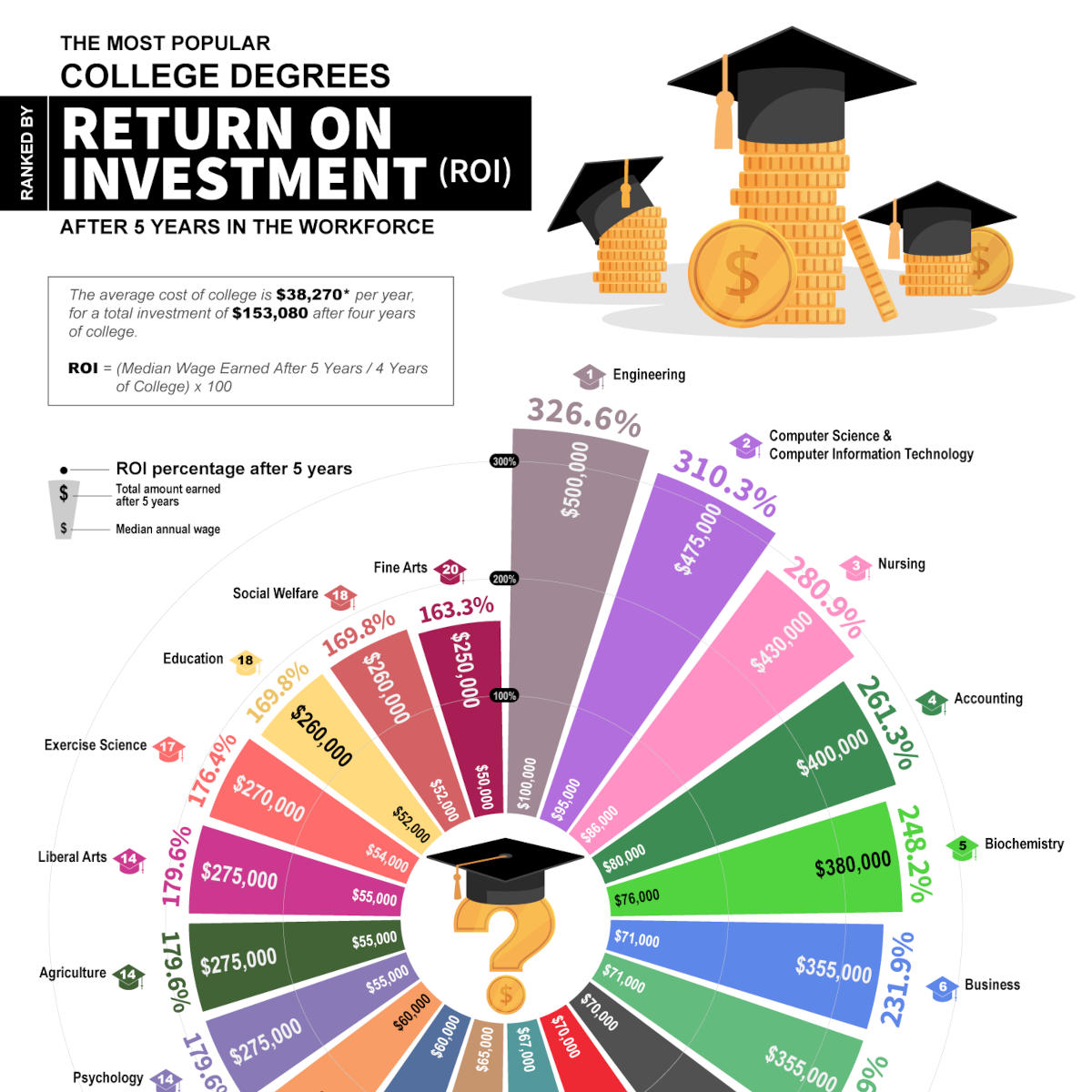
Analyzing Earning Potential
Not all degrees hold the same market value. Engineering, Computer Science, and Nursing consistently rank as high-ROI majors. However, this doesn’t mean you must avoid Liberal Arts; it means you must have a clear career plan. For example, an English major might plan to enter Corporate Communications or Law School. To verify real-world data, utilize the U.S. Department of Education College Scorecard , which shows average earnings by major and university.
Understanding the financial implications of your degree is vital. If you are taking out loans, ensure your future salary can cover the repayment. For more on this, read our detailed report on Student Loans in USA.
3. The STEM Advantage: Visa Impact on Choosing a Major in the USA
For international students, Choosing a Major in the USA involves a third critical variable: immigration benefits.
STEM vs. Non-STEM OPT
The US government designates certain degrees as STEM (Science, Technology, Engineering, Mathematics). Graduates with these majors are eligible for a 24-month extension on their Optional Practical Training (OPT), totaling 3 years of work authorization. Non-STEM majors typically receive only 1 year. This difference is massive for employers willing to sponsor H-1B visas, as it gives them more attempts at the lottery.
Did you know?
Some degrees you might not expect are classified as STEM, such as “Business Analytics,” “Econometrics,” or “Digital Arts” at certain universities. Always check the Classification of Instructional Programs (CIP) code with your university advisor when Choosing a Major in the USA.
If you are aiming for high-growth sectors, check our guide on Top Internships in the USA 2026 to see which majors are in demand.
Major Selection Matrix: A Strategic View
| Factor | STEM Major (e.g., CS, Bio) | Humanities (e.g., History) |
|---|---|---|
| Work Authorization | 3 Years (12 mo + 24 mo ext) | 1 Year Only |
| Hiring Demand | High & Immediate | Moderate (Requires Networking) |
| Skill Transferability | Technical & Specific | Soft Skills & Communication |
4. Leveraging Academic Flexibility When Choosing a Major in the USA
One of the greatest strengths of the US system is that you don’t have to decide immediately.
The “Undecided” Option and Switching
Most US universities do not require you to declare a major until the end of your sophomore year (second year). Entering as “Undecided” is common and accepted. Furthermore, changing your major is standard practice; statistics show that nearly 30% of students change their major at least once within three years. This flexibility allows you to take introductory courses in different fields before committing.
Double Majors and Minors
If you are torn between two passions, consider a Double Major (two degrees) or a Minor (a secondary specialization). For example, a Computer Science major with a Minor in Business is a powerful combination for tech entrepreneurship. This strategy adds versatility to your profile when Choosing a Major in the USA.
Choosing a Major in the USA is a balance of heart and head. By assessing your strengths, understanding the financial reality, and strategically considering visa regulations, you can select a path that not only interests you but also secures your future. Take your time, explore your options, and use the flexibility of the American system to your advantage.