
New Year’s Resolutions in America: 5 top trends for 2026.
As the calendar turns to January 1st, a massive cultural wave sweeps across the nation: the tradition of setting New Year’s Resolutions in America. It is a time of reflection, optimism, and the collective belief in the “fresh start effect.” Millions of Americans commit to self-improvement goals, ranging from physical fitness to financial prudence. However, understanding New Year’s Resolutions in America requires looking beyond the initial excitement to analyze what people are actually resolving to do in 2026 and why so many fail by February. This report dives into the 5 top trends defining this annual ritual and offers data-backed strategies for success.
Table of Contents
1. The Cultural Significance of New Year’s Resolutions in America
The concept of making New Year’s Resolutions in America is deeply ingrained in the national psyche. Unlike in some cultures where the New Year is purely a family celebration, in the U.S., it is viewed as a deadline for self-reinvention. This “New Year, New Me” mentality is fueled by a massive marketing industry—gyms offer discounts, financial apps launch campaigns, and health food stores stock up on kale. Participating in New Year’s Resolutions in America is almost a social obligation, with friends and colleagues frequently asking, “What is your resolution?” during the first week of January.
2. Top 5 Trends Defining New Year’s Resolutions in America for 2026
While weight loss is the perennial favorite, the landscape of New Year’s Resolutions in America is shifting towards holistic well-being and financial stability in 2026.
Trend 1: Physical Fitness and “Movement”
Rather than just “losing weight,” the language has shifted to “movement.” Americans are resolving to engage in activities like hiking or pickleball. If you are looking for inspiration, our guide on Popular Hobbies in the USA offers excellent ideas for staying active.
Trend 2: Financial Health and Savings
With economic fluctuations, improving financial literacy is a top priority. Resolutions focus on building emergency funds and reducing credit card debt. For practical ways to cut daily costs, review our report on USA Life Hacks .

Trend 3: Mental Health Prioritization
Therapy, meditation, and stress reduction are no longer fringe goals. They are central to New Year’s Resolutions in America as people seek to balance the hustle culture with inner peace.

Trend 4: Digital Detox
Reducing screen time and social media usage is a rapidly growing trend. Americans are resolving to disconnect to reconnect with reality.

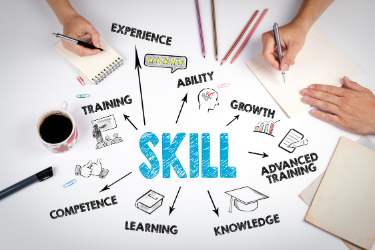
Trend 5: Skill Acquisition
Learning a new language or a professional skill (like coding) is a common resolution, driven by a competitive job market.
3. The Reality Check: Success Rates of New Year’s Resolutions in America
Despite the enthusiasm, the statistics regarding New Year’s Resolutions in America are sobering. The phenomenon of “Quitter’s Day”—typically the second Friday in January—marks the point where motivation begins to wane.
The Drop-Off Statistics
Studies suggest that while 40-50% of Americans make resolutions, only about 9-12% feel they successfully keep them throughout the year. The biggest drop-off occurs within the first month.
Resolution Retention Rates Timeline
| Time Period | % Still Adhering | Common Barrier |
|---|---|---|
| After 1 Week | 75% | Loss of novelty |
| After 1 Month | 64% | Lack of visible results |
| After 6 Months | 46% | Old habits returning |
4. Strategies to Maintain Your New Year’s Resolutions in America
How can you be part of the successful 9%? Experts suggest specific psychological strategies.
The SMART Goal Framework
Instead of saying “I want to get fit,” rephrase it to “I will go to the gym three times a week for 45 minutes.” Specific, Measurable, Achievable, Relevant, and Time-bound goals are harder to abandon.
Accountability Partners
Sharing your goals with a friend or joining a community group significantly increases adherence. The communal aspect of New Year’s Resolutions in America can be leveraged for support rather than just conversation.
For psychological insights on habit formation, the American Psychological Association (APA) provides excellent resources on making lifestyle changes that last.
Participating in New Year’s Resolutions in America is more than a cliché; it is an opportunity for genuine growth. By understanding the trends of 2026 and arming yourself with realistic strategies, you can turn a January wish into a December reality.