
Assimilating in the USA: 7 key habits for quick integration.
Assimilating in the USA and feeling truly integrated into local culture requires more than just academic success or professional placement; it demands mastery of social codes and everyday habits. The United States, while globally diverse, possesses unique cultural norms regarding communication, hospitality, and personal space. Successfully Assimilating in the USA means learning these unspoken rules to build genuine connections with neighbors, colleagues, and peers. This detailed guide outlines 7 essential, actionable habits that will accelerate your integration process, enabling you to thrive socially and professionally within the American framework.
Table of Contents
1. Mastering Social Etiquette: Assimilating in the USA Through Interaction
American social norms are often less formal than those in many other cultures, but they follow strict, often unspoken, rules of courtesy and professionalism.
Tip #1: Deciphering the Greeting Code
The standard American greeting is a firm handshake, maintained for a few seconds. However, the most critical part of the code is the phrase, “**How are you?**” This phrase is frequently a conversational filler, not an invitation for a detailed health report. The expected response is usually brief and positive: *”I’m great, how about you?”* or *”Good, thanks!”* Learning to use and interpret this simple exchange correctly is fundamental when you are Assimilating in the USA.
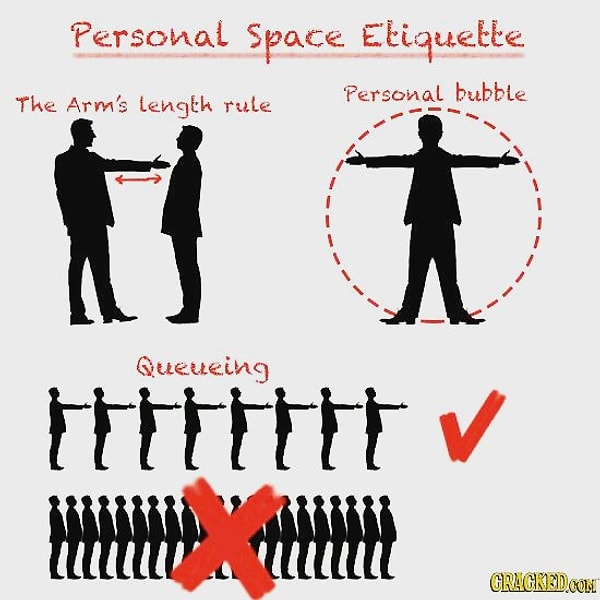
Tip #2: Respecting Personal Space (The Arm’s Length Rule)
Americans value a buffer zone in conversational settings. Maintaining about an arm’s length (approximately 1.5 to 3 feet) during non-intimate conversation is standard. Standing too close can make a local feel uncomfortable. Observing and respecting this physical boundary is a key step in demonstrating cultural awareness and successfully Assimilating in the USA.
2. Tip #3: The Power of Small Talk and Active Listening
Communication in the U.S. often prioritizes brief, friendly exchanges and clarity. Avoid prolonged silence in social settings by initiating “small talk.”
Small Talk Topics to Master
Focus on neutral, positive subjects when engaging with locals:
- The Weather: An absolute classic and always safe.
- Local Sports Teams: A fantastic way to connect in any region.
- Food/Restaurants: Inquire about favorite local eateries.
- Weekend Plans (Briefly): Keep the conversation light and reciprocal.
Assimilating in the USA also requires understanding verbal directness. American communication tends to be direct and solution-oriented, especially in professional or academic settings. While being polite is important, avoid overly elaborate or passive language when making requests or asking questions. Professors and supervisors appreciate clarity. This directness, combined with strong communication, shows competence.
3. Embracing Community and Volunteerism: Key to Assimilating in the USA
Community engagement is integral to the American social fabric. It’s where many long-lasting, genuine relationships are formed outside of work or school.
Tip #4: Get Involved in Local Activities
Join local clubs, fitness groups, or neighborhood associations. If you are a student, participating in university clubs (cultural, academic, or recreational) is the fastest pathway to establishing a support network. These organizations are designed to foster teamwork and collaboration, which are core American values. They offer a structured, low-pressure environment for practicing your communication skills and finding common interests, making Assimilating in the USA feel natural.
Tip #5: Volunteer Your Time
Volunteering at a local non-profit, food bank, or animal shelter is a highly respected activity in the U.S. It demonstrates a commitment to service and ethical responsibility, traits that resonate deeply with the community. Furthermore, volunteering provides meaningful, non-superficial interactions with diverse locals, which greatly aids the process of Assimilating in the USA. This is often how new residents create strong local ties that extend beyond their professional sphere.

4. Navigating Financial and Service Culture (Tips #6 and #7)
Two major areas where cultural confusion often arises for newcomers are the service industry and punctuality.
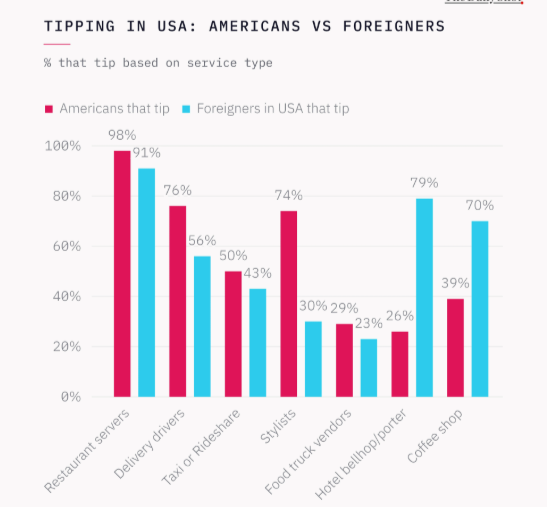
Tip #6: Understanding Tipping (The 15-20% Standard)
Tipping is not optional in the U.S.; it is how service workers (wait staff, delivery drivers, barbers) earn a living, as their base wages are often very low. The social expectation is to leave a tip between 15% and 20% of the bill for satisfactory service in restaurants. Failing to tip adequately can be perceived as rude or disrespectful. Budgeting for tipping is essential to smooth Assimilating in the USA and daily life.
Tip #7: Reliability and Punctuality
Americans generally place a very high value on punctuality, viewing being late as disrespectful of another person’s time. Whether it’s an appointment, a class, or a social gathering, aim to arrive on time, or even 5 minutes early. This dedication to reliability is a key professional competency and goes a long way in establishing trust and respect with American colleagues and friends.

Quick Cultural Reference Sheet
| Norm | Local Expectation | Example Topics |
|---|---|---|
| Personal Space | Maintain 2-3 feet distance (Arm’s Length). | Avoid physical contact beyond an initial handshake. |
| Conversational Tone | Direct, but friendly; highly value listening skills. | Weather, weekend, local news, pets. Avoid politics/religion initially. |
| Punctuality | Crucial; arrive on time or 5 minutes early. | Late arrivals suggest lack of respect. |
By actively applying these habits, you move beyond mere coexistence to true integration. For authoritative guidance on U.S. cultural exchange programs and community guidelines, you can consult resources from the official U.S. Department of State website.
Successfully Assimilating in the USA is a marathon that rewards curiosity and effort. By adopting these 7 habits—from mastering small talk to prioritizing community engagement—you will not only fit in but thrive, turning a new environment into a comfortable, supportive home.
