
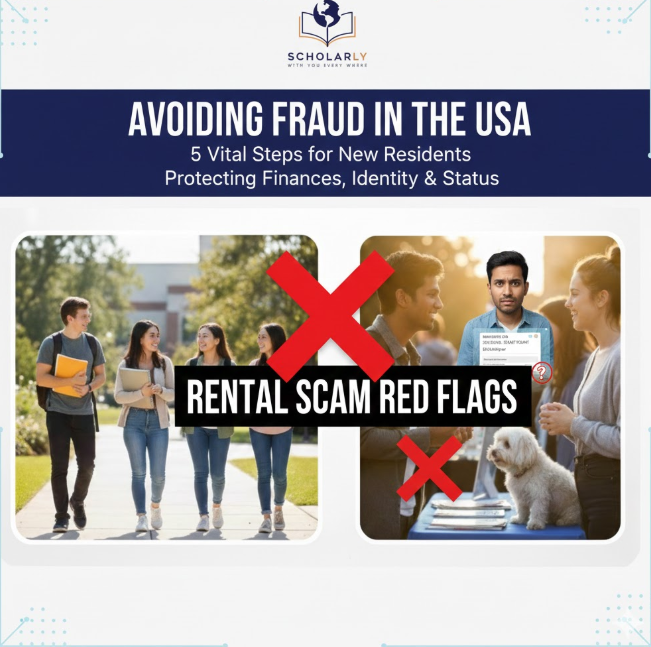
Avoiding Fraud in the USA: 5 vital steps for new residents.
The move to the United States is exciting, but new residents and international students are often prime targets for sophisticated scams. Understanding the tactics used by fraudsters is the first, most crucial step in **Avoiding Fraud in the USA**. Scams frequently impersonate government agencies like the IRS or USCIS, exploit housing searches, or target financial accounts. By following 5 key steps, you can significantly enhance your security and protect your financial and legal status. This comprehensive guide provides the knowledge you need for **Avoiding Fraud in the USA** and ensuring your transition is safe and successful.
Table of Contents
1. Step 1: Verifying Government Identity (The .gov Rule)
Fraudsters frequently impersonate officials from the Internal Revenue Service (IRS) or U.S. Citizenship and Immigration Services (USCIS). Knowing how these legitimate agencies communicate is essential for **Avoiding Fraud in the USA**.
The Official Communication Protocol
U.S. government agencies **will never**:
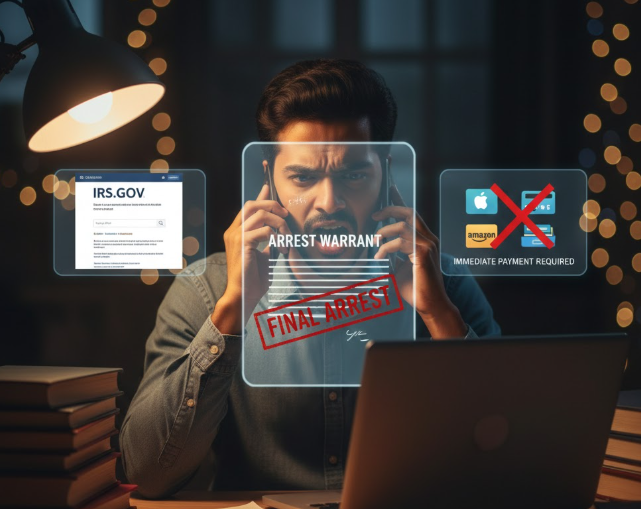
- Threaten immediate deportation or arrest over the phone.
- Demand immediate payment using gift cards, wire transfers, or cryptocurrency.
- Initiate contact via email, text message, or social media to demand payment or personal information.
- Ask you to pay for blank immigration forms (all forms are free).
Key Rule: All official government communications (websites and emails) must end in .gov or .mil.
If you receive a suspicious call claiming to be from a government agency, hang up immediately. If you need to verify, look up the official agency number yourself and call them back; never use the number provided by the suspected scammer. This vigilance is the cornerstone of **Avoiding Fraud in the USA**.
2. Step 2: Never Pay with Untraceable Methods
Scammers rely on methods that make tracing money impossible. This rule applies universally, whether you are dealing with a landlord, a fake job offer, or a purported government fee.
Untraceable Payment Red Flags
**Never** send money via:
- Gift Cards (e.g., iTunes, Amazon, Google Play)
- Wire Transfers (e.g., Western Union, MoneyGram)
- Cryptocurrency (e.g., Bitcoin)
- Cash payments for deposits or fees without a legal contract and receipt.
Legitimate institutions and landlords accept checks, credit/debit cards, or secure bank transfers. Any demand for unconventional, untraceable payment is a definitive red flag when **Avoiding Fraud in the USA**.
3. Step 3: Spotting Common Tax and Immigration Scams
New residents are often targeted because they are unfamiliar with U.S. tax and immigration laws.
IRS Imposter Scams (Tax Fraud)
Scammers often call, claiming there is an issue with your tax return and threatening immediate arrest unless you pay. Remember: the IRS always initiates contact by **mail**—not by phone, email, or text—if there is a debt. The IRS also never asks for payment via gift cards. If you receive a call, hang up immediately and verify your tax status directly on the official IRS website.
Immigration Fraud (Notario Scams)
Be wary of individuals calling themselves “Notario Público.” In many countries, this term refers to a qualified lawyer, but in the U.S., a Notary Public is *not* a lawyer and cannot provide legal immigration advice. Only licensed attorneys or government-accredited representatives can offer legal services. Using unqualified help can lead to disastrous consequences for your legal status. For reputable advice, consult the **USCIS official scam avoidance resource** (External Link). This knowledge is essential for **Avoiding Fraud in the USA**.
4. Step 4: Avoiding Rental and Job Fraud for New Arrivals
Rental and job scams prey on urgency and desperation, particularly among those new to the country.
Rental Scam Red Flags
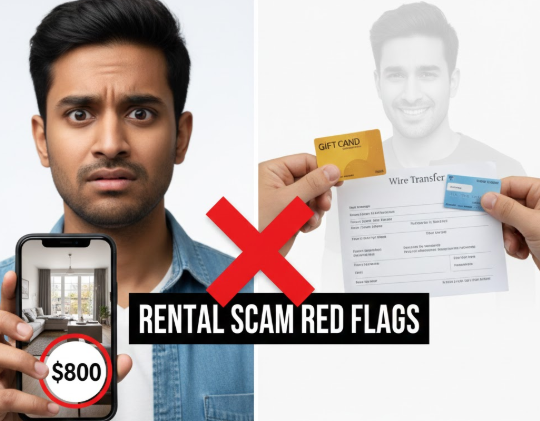
Rental scams involve fake listings, often with rent prices far below the local market rate. **To avoid this:**
- **Never** rent a property without seeing it in person or having a trusted friend/agent inspect it.
- **Never** wire money to a landlord claiming to be “out of the country” who insists on receiving payment before you receive the keys.
- Legitimate landlords require an application, background check, and lease signing before any large payment.
Fake Job Offers
If you receive an unsolicited job offer, especially one that asks you to pay money upfront (for training, materials, or visa processing), it is a scam. Remember that international students on an F-1 visa cannot legally work off-campus without specific authorization (CPT or OPT). Do not provide sensitive details for a job until you have verified the company’s legitimacy and your employment eligibility. This caution is paramount when Avoiding Fraud in the USA.

5. Step 5: How to Report Fraud and Seek Help
If you suspect you have been targeted by or fallen victim to a scam, act immediately. Reporting the incident helps law enforcement stop the criminals and protects others.
The primary point of contact for consumer fraud and scams in the United States is the **Federal Trade Commission (FTC)**. You can report scams online, and your report is shared with various law enforcement agencies. This action helps in the broader effort of **Avoiding Fraud in the USA**.
For general tips on protecting your personal data and identity, which is crucial for **Avoiding Fraud in the USA**, we recommend reading our related article on Assimilating in the USA, which touches upon securing personal information.
Official Reporting Resources
- General Fraud/Scams: ReportFraud.ftc.gov
- Immigration Fraud: Contact the USCIS tip form (online) or the HSI Tip Line.
- IRS Scams: Report to the Treasury Inspector General for Tax Administration (TIGTA).
By understanding the 5 key steps—especially recognizing that no government agency demands gift cards or threatens immediate action by phone—you empower yourself to make informed decisions. Proactive verification and prompt reporting are the best tools for **Avoiding Fraud in the USA** and ensuring a secure future.
