
Certificates in USA 2026: 5 reasons they lose major status.
A significant shift is occurring in the American higher education landscape regarding -Certificates in USA 2026. For years, international students and career-switchers utilized short-term certificate programs as a quick “professional major” to gain skills and visa status. However, upcoming regulatory changes and market shifts in 2026 are set to downgrade the status of these credentials. It is predicted that standalone Certificates in USA 2026 will no longer be accepted as a substitute for a full professional degree (Bachelor’s or Master’s) in many high-stakes contexts, including immigration and elite hiring. This article explores the 5 critical reasons behind this change and what it means for your educational planning.
Table of Contents
1. Regulatory Crackdown: Gainful Employment and Certificates in USA 2026
The U.S. Department of Education has reinstated and strengthened “Gainful Employment” (GE) rules. These regulations heavily target non-degree programs, specifically certificates at for-profit institutions and some private colleges.
Defining the “Professional Major” Gap
Historically, a certificate could be marketed as a “Professional Major” or a “Mini-Master’s.” However, starting in 2026, programs that fail to show a strong debt-to-earnings ratio for their graduates may lose federal funding eligibility and accreditation support. This scrutiny effectively de-legitimizes many low-quality Certificates in USA 2026, meaning they will no longer be accepted as valid credentials by governing bodies. Students must be wary of “diploma mills” offering certificates that technically exist but hold no regulatory weight.
2. Visa Eligibility: Why Certificates in USA 2026 May Fail F-1 Requirements
For international students, the primary concern is the F-1 visa status.
The “Full Course of Study” Reinterpretation
USCIS and SEVP (Student and Exchange Visitor Program) are tightening definitions of what constitutes a “full course of study.” There is a growing trend to view standalone certificate programs—especially those under one academic year—as insufficient for maintaining F-1 status unless they are part of a pathway to a degree. Consequently, Certificates in USA 2026 may no longer be accepted as a valid “major” for the issuance of an I-20 form at many lower-tier institutions.
Critical Warning: OPT Eligibility
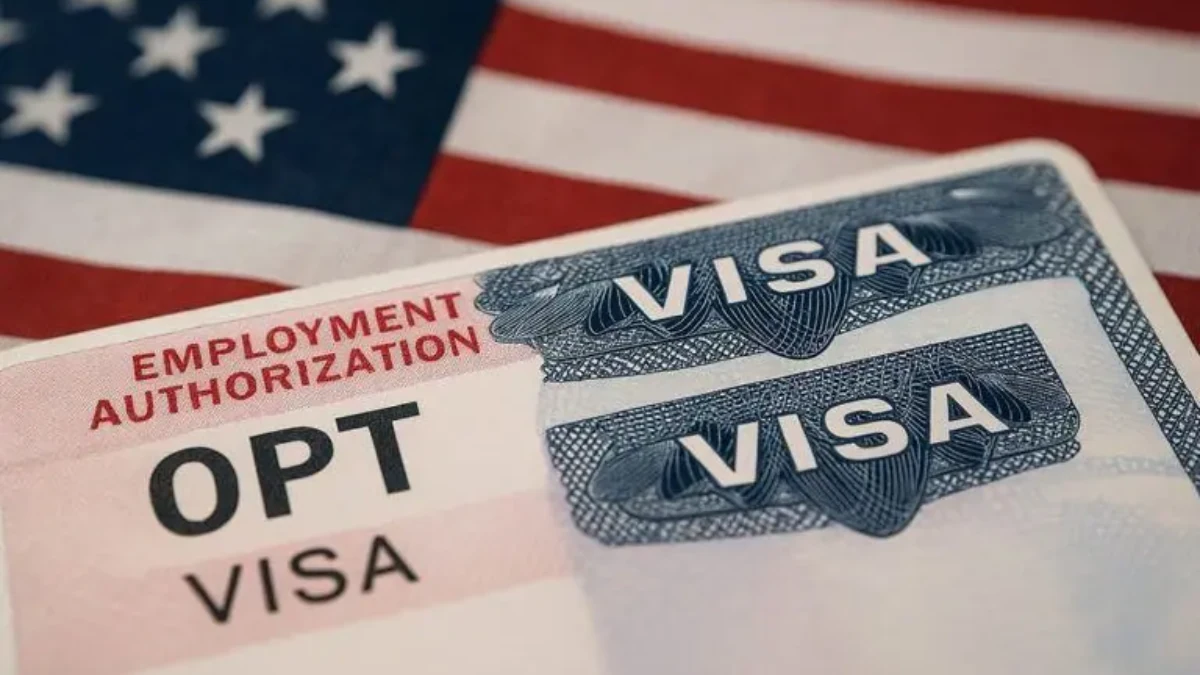
Post-Completion OPT (Optional Practical Training) is typically reserved for students completing a degree (Bachelor’s, Master’s, Doctoral). While some certificate programs currently allow for OPT, the window is closing. In 2026, expect stricter enforcement where only **degree-granting programs** reliably qualify for the 1-3 year work authorization. Relying on a certificate for OPT is becoming a high-risk strategy.
To understand the broader context of these visa policy shifts, you should review our article on Latest US Study Updates, which discusses F-1 compliance in detail.
3. The H-1B Modernization Rule Impact on Certificates in USA 2026
The H-1B specialty occupation visa is the goal for many international professionals. The DHS “Modernization Rule” creates a distinct hierarchy of education.
Degrees vs. Certificates in the Lottery
Under proposed and enacting changes, the “Master’s Cap” (the extra 20,000 visa slots) is strictly reserved for those with a Master’s degree or higher from a non-profit U.S. institution. Certificates in USA 2026, regardless of their length or intensity (even “Graduate Certificates”), do not qualify for this advanced degree exemption. By choosing a certificate over a Master’s, you are statistically reducing your chances of H-1B selection by a significant margin. This effectively means certificates will no longer be accepted as a “professional major” equivalent for immigration purposes.
4. Employer Preferences Shifting Away from Certificates in USA 2026
The corporate sector is also adjusting its hiring algorithms.
The Rise of “Degree-First” Filtering
While “skills-based hiring” is a buzzword, the reality for sponsorship-reliant roles is different. Automated Applicant Tracking Systems (ATS) in major tech and finance firms are increasingly programmed to filter for “Bachelor’s” or “Master’s” degrees specifically. A resume listing only Certificates in USA 2026 as the primary U.S. credential may be automatically rejected for roles requiring specialized knowledge, as it signals a lack of depth compared to a full degree.
Credential Value Comparison: 2026 Outlook
| Feature | Master’s Degree | Graduate Certificate |
|---|---|---|
| Visa Eligibility (I-20) | Guaranteed (Full Status) | Restricted/Scrutinized |
| H-1B Advanced Cap | Eligible (High Value) | Not Eligible |
| OPT Duration | 1-3 Years (STEM) | Often 1 Year or None |
For authoritative definitions on recognized accreditation and program validity, always verify the status of an institution via the U.S. Department of Education Database .
The era of using short-term credentials as a loophole for professional status is ending. For Certificates in USA 2026, the message is clear: they are valuable for upskilling (learning a specific tool) but will no longer be accepted as a “professional major” for foundational career building or immigration stability. Students should prioritize full degree programs to ensure their future in the U.S. remains secure.
