
University Life in America: 8 Smart Strategies for Thriving
The Ultimate Success Guide
The transition into **University Life in America** is a significant milestone for any student, particularly international ones. It is a unique blend of high academic pressure, boundless social opportunities, and total personal independence. To thrive and excel in this dynamic environment, you must adopt smart, proactive strategies from day one. Successfully navigating the cultural and academic challenges is your key to turning this experience into a rewarding professional and personal journey. In this comprehensive guide, we provide you with 8 essential, actionable steps to ensure you have the best possible experience during **University Life in America**.
Table of Contents
- 1. Academic Adaptation: Key to Success in University Life in America
- 2. Social and Cultural Integration: Building Your Network in University Life in America
- 3. Smart Budgeting: Challenges and Costs of University Life in America
- 4. Health and Well-being: Support Available During University Life in America
1. Academic Adaptation: Key to Success in University Life in America
The U.S. educational system diverges from many others by heavily emphasizing active class participation, critical thinking, and collaborative group work. Students are expected to transition from being passive recipients of information to active contributors to the learning process. This collaborative approach is a defining characteristic of University Life in America.
Understanding Active Participation Requirements
In **University Life in America**, passing final exams is often not enough. Class participation, discussions, and group assignments frequently constitute a significant percentage of the final grade. Do not hesitate to ask questions or express your viewpoint, even if it runs contrary to the majority; this demonstrates engagement and intellectual maturity. Crucially, strictly adhere to academic integrity rules; plagiarism is handled with extreme seriousness and can lead to severe penalties, including expulsion. Understanding these expectations early on is vital for a smooth academic journey.
Utilizing Professor’s Office Hours
The scheduled office hours held by your professors are an invaluable resource. This is the ideal time to discuss academic difficulties, seek career advice, or cultivate a mentorship that can lead to a strong letter of recommendation in the future. Building a professional rapport with your instructors is a smart move that often unlocks research and professional opportunities after graduation. Teaching methods may vary, but the focus remains squarely on critical thinking and the application of knowledge—a fundamental skill required throughout University Life in America.
2. Social and Cultural Integration: Building Your Network in University Life in America
Building a strong social network is as crucial as academic performance. U.S. universities are known for their immense cultural diversity, making them perfect environments for global discovery and networking.
Engaging in Student Organizations
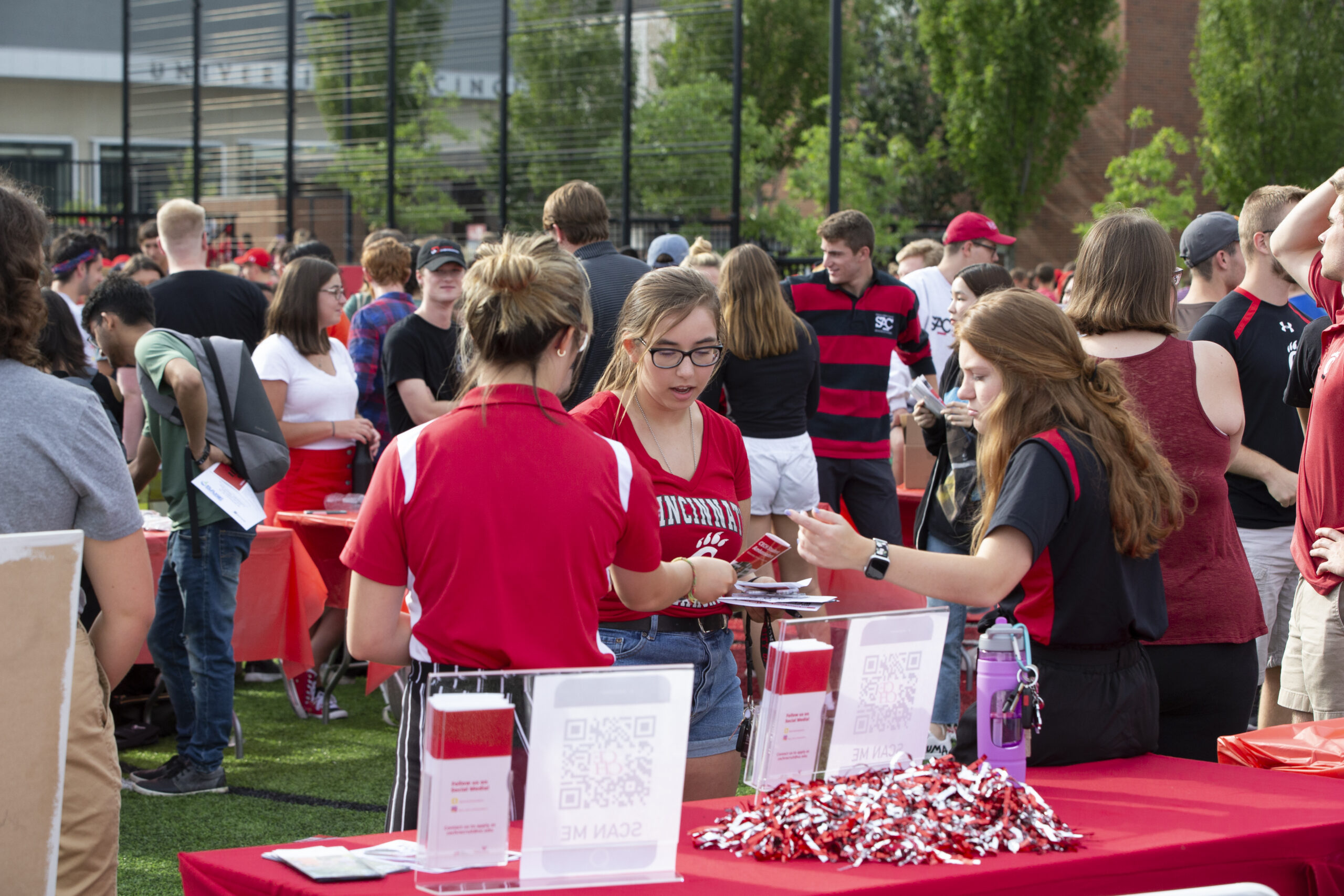
Joining clubs and student organizations is the quickest way to achieve social adaptation and overcome feelings of homesickness. Whether your interests lie in sports, politics, arts, or cultural clubs representing your home country, you will find a community. This involvement develops essential skills like leadership and teamwork, qualities highly valued by American employers.
Understanding Cultural Norms
Be prepared to adjust to subtle cultural differences, such as social greetings, the concept of personal space, and the customary practice of tipping in restaurants (typically 15-20% of the bill). Do not be afraid to ask about unfamiliar social customs. The Orientation Week is a golden opportunity to learn these nuances and start building your first friendships during University Life in America. For students looking to engage in summer employment, you can read our guide on Summer Job and Internship Opportunities for International Students .
Embracing this diversity will enrich your experience. However, a common challenge is the language barrier, where slang and idiomatic expressions can be difficult. Many universities offer conversation groups to help international students improve fluency and social comfort.
3. Smart Budgeting: Challenges and Costs of University Life in America
Costs pose one of the biggest challenges during University Life in America. Therefore, a strict financial plan must be implemented from the start. Beyond tuition, living expenses vary dramatically based on location (e.g., New York vs. a smaller town). Effective budgeting is non-negotiable.

Estimated Annual Non-Tuition Costs of University Life in America
| Item | Average Annual Cost | Saving Tips |
|---|---|---|
| Housing & Food (On-Campus) | $11,000 – $15,000 | Shared rooms or cooking frequently |
| Books & Supplies | $1,000 – $1,500 | Buy used textbooks or utilize library resources |
| Health Insurance | $1,500 – $3,000 | Mandatory for international students (F-1) |
On-Campus Employment and Visa Regulations
International students holding an F-1 visa are generally permitted to work on-campus for up to 20 hours per week while school is in session and full-time during official breaks. Securing on-campus jobs is an excellent way to earn income for daily expenses and requires no additional work authorization. It is absolutely crucial to comply with all visa regulations and work hour limits to ensure the continuity of your stay and the success of your experience during University Life in America.
4. Health and Well-being: Support Available During University Life in America
The academic and social pressures inherent in University Life in America can be immense. For this reason, U.S. universities place a strong emphasis on students’ mental and physical health.
Utilize Counseling and Support Services
Almost all universities offer free or low-cost counseling and psychological services to students. Seeking help should not be viewed as a weakness; rather, it is a healthy and smart practice that ensures your ability to maintain academic focus and manage stress. These centers are well-equipped to understand the unique cultural adaptation challenges faced by international students and provide confidential support.
Mandatory Health Insurance and Care System
International students are required to enroll in a comprehensive health insurance plan. You must familiarize yourself with how to use this insurance and the services available at the Student Health Center immediately upon arrival. Understanding the often-complex U.S. healthcare system is an integral part of settling in and ensuring peace of mind. For general guidance on student services and immigration compliance, you can refer to the official resource provided by EducationUSA (U.S. Department of State network) .
Remember that achieving a healthy balance between a heavy academic workload and an active social life is essential to avoid burnout and maximize your success in University Life in America. Prioritize sleep, nutrition, and physical activity alongside your studies.
Remember that University Life in America is not just an academic race; it is a holistic journey of personal growth and future-building. With thorough preparation, smart financial planning, and active involvement, you will be able to turn challenges into amazing opportunities, ensuring your stay is a successful and memorable experience by all standards.
