
Studying Computer Science in USA: 5 steps for success in 2026.
For decades, Studying Computer Science in USA has been the ultimate ambition for tech-savvy students worldwide. The United States is not only the birthplace of the internet and the personal computer but also home to Silicon Valley, the global epicenter of innovation. In 2026, the allure of Studying Computer Science in USA remains unmatched, offering access to cutting-edge research in Artificial Intelligence, quantum computing, and cybersecurity. However, the path is competitive and requires strategic planning. This guide outlines 5 essential steps for **Studying Computer Science in USA**, ensuring you maximize your academic potential and secure a high-paying career.
Table of Contents
1. Choosing the Right Program for Studying Computer Science in USA
The first step in **Studying Computer Science in USA** is selecting a university that aligns with your goals. The US boasts a diverse range of institutions, from research-heavy giants like MIT and Stanford to practical, career-focused state universities.
Rankings vs. Fit
While rankings matter, the best program for **Studying Computer Science in USA** is one that offers strong industry connections in your specific area of interest. For example, if you are interested in automotive software, a university in Michigan might offer better connections than one in New York.
If you are unsure about the specific engineering discipline, compare options in our guide on Computer Science vs Computer Engineering (Internal Link).
2. Navigating Curriculum and Specializations While Studying Computer Science in USA
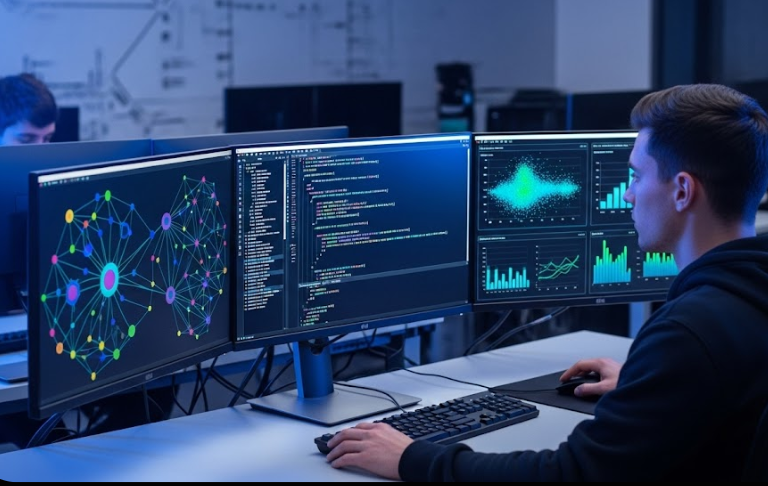
The curriculum you encounter while studying is rigorous and flexible. Unlike many other countries, US programs encourage you to specialize early.
Emerging Fields for 2026
To stay competitive, students Studying Computer Science in USA should focus on high-growth specializations.
- Artificial Intelligence (AI) & Machine Learning: The most popular track.
- Cybersecurity: Critical for national defense and corporate safety.
- Data Science: Analyzing the massive datasets driving modern business.
Coding Bootcamps vs. Degrees
While bootcamps are popular, a 4-year degree remains the gold standard for Studying Computer Science in USA, especially for international students needing visa sponsorship. Employers prioritize the deep theoretical foundation provided by a university education.

3. Internships and OPT: Career Paths After Studying Computer Science in USA
The ultimate goal of Studying Computer Science in USA is often to secure employment in the American tech sector.
Leveraging STEM OPT
Computer Science is a STEM-designated degree. This means that after Studying Computer Science in USA, you are eligible for up to 36 months of Optional Practical Training (OPT). This extended work authorization is a massive advantage for securing H-1B sponsorship.
Securing Internships
Don’t wait until graduation. The most successful students **Studying Computer Science in USA** complete internships during their summers. For a list of the best places to apply, read our report on Top Internships in the USA 2026.
4. Financial Planning and ROI of Studying Computer Science in USA

Studying Computer Science in USA is an expensive investment, but the Return on Investment (ROI) is among the highest of any major.
Projected ROI for CS Graduates (2026)
| Job Title | Starting Salary | Mid-Career Salary |
|---|---|---|
| Software Developer | $95,000+ | $145,000+ |
| Data Scientist | $105,000+ | $160,000+ |
| Cybersecurity Analyst | $90,000+ | $135,000+ |
To manage the upfront costs of tuition, review our essential guide on Student Loans in USA.
For authoritative rankings and program details, always consult CS Rankings , which ranks institutions based on actual research output rather than reputation alone.
Studying Computer Science in USA is more than just learning to code; it is about immersing yourself in an ecosystem of innovation. By choosing the right program, specializing in high-demand fields like AI, and leveraging the visa benefits of STEM, you position yourself for a thriving global career in 2026 and beyond.
